


Most of my childhood evenings were special. We would sit cross-legged in the courtyard, the warm orange glow of the evening sunlight reflecting on our faces. Elders told stories, not in a rush, but with patience. Some tales were short, others stretched across several evenings.
What fascinated me most wasn’t just the story itself, but how it changed depending on when it was told. On a night when children were restless, the story would be quick, sharp, full of action. On nights when everyone was calm, it flowed slowly, weaving lessons into long pauses.
In those moments, I realized that stories, like people, have rhythms. They aren’t static, they adapt over time.
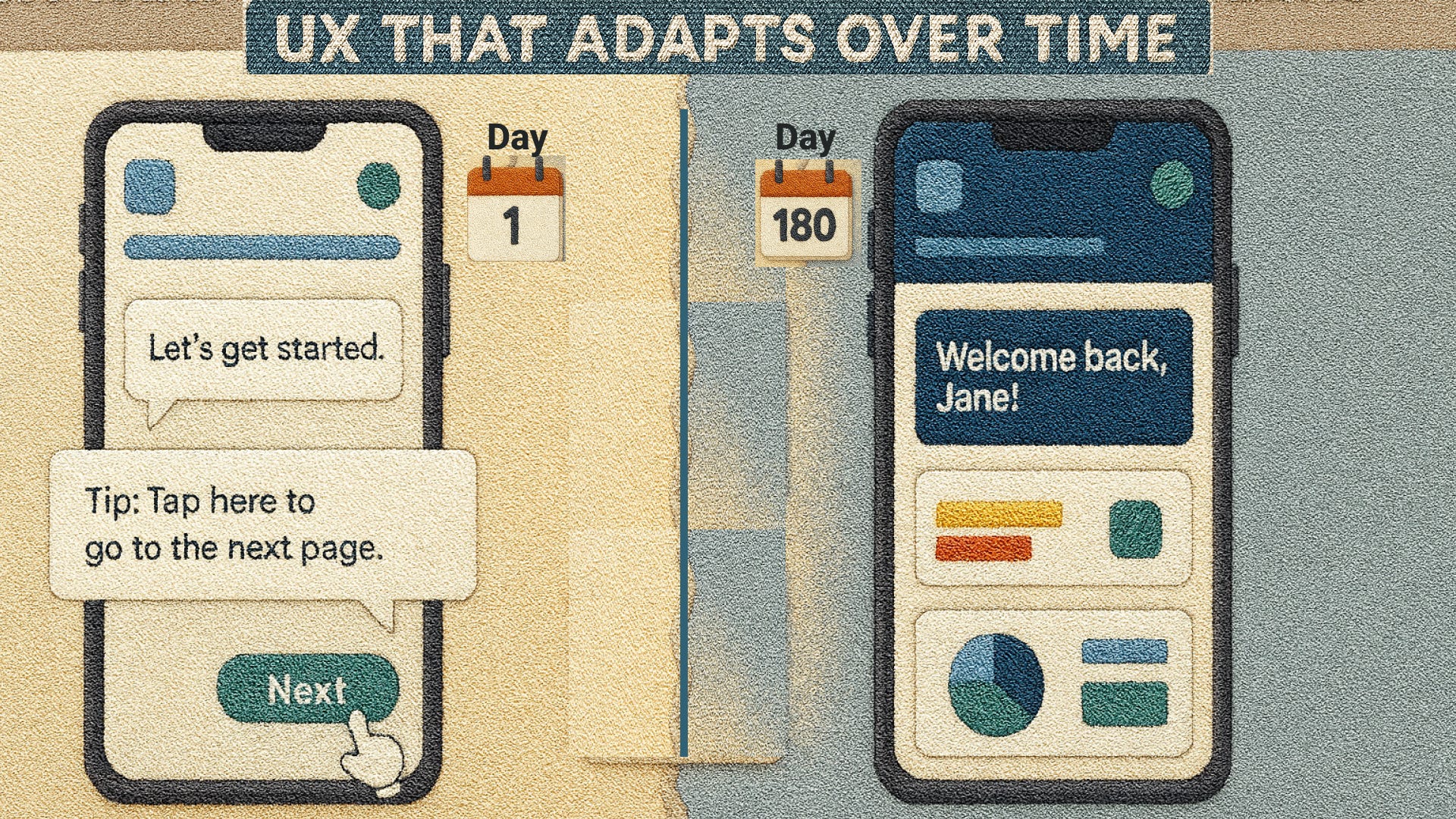
Fast forward to today, and I see the same truth in UX design. Interfaces that stay rigid soon feel outdated, frustrating, or irrelevant. But those that adapt to user behavior, preferences, and even context over time, those are the ones that create trust, delight, and loyalty. This is what we call Temporal Design.
Think about the last time you downloaded a brand-new app. On day one, it held your hand, with pop-ups, tutorials, tooltips guiding you through every click. At that moment, it felt right. You needed the extra help.
But imagine if, six months later, the app still showed you those same tutorials every time you logged in. You would be annoyed, maybe even delete it.
Now flip it. What if on day one, the app threw you into the deep end with no guidance? That would be overwhelming, right?
This is the tension many products face. The truth is, users aren’t static. Their needs on the first day are not their needs on the hundredth. And the best products evolve alongside us.
That’s what Temporal Design is all about. Interfaces that change with time and use patterns, just like how we change as users.
What is Temporal Design?
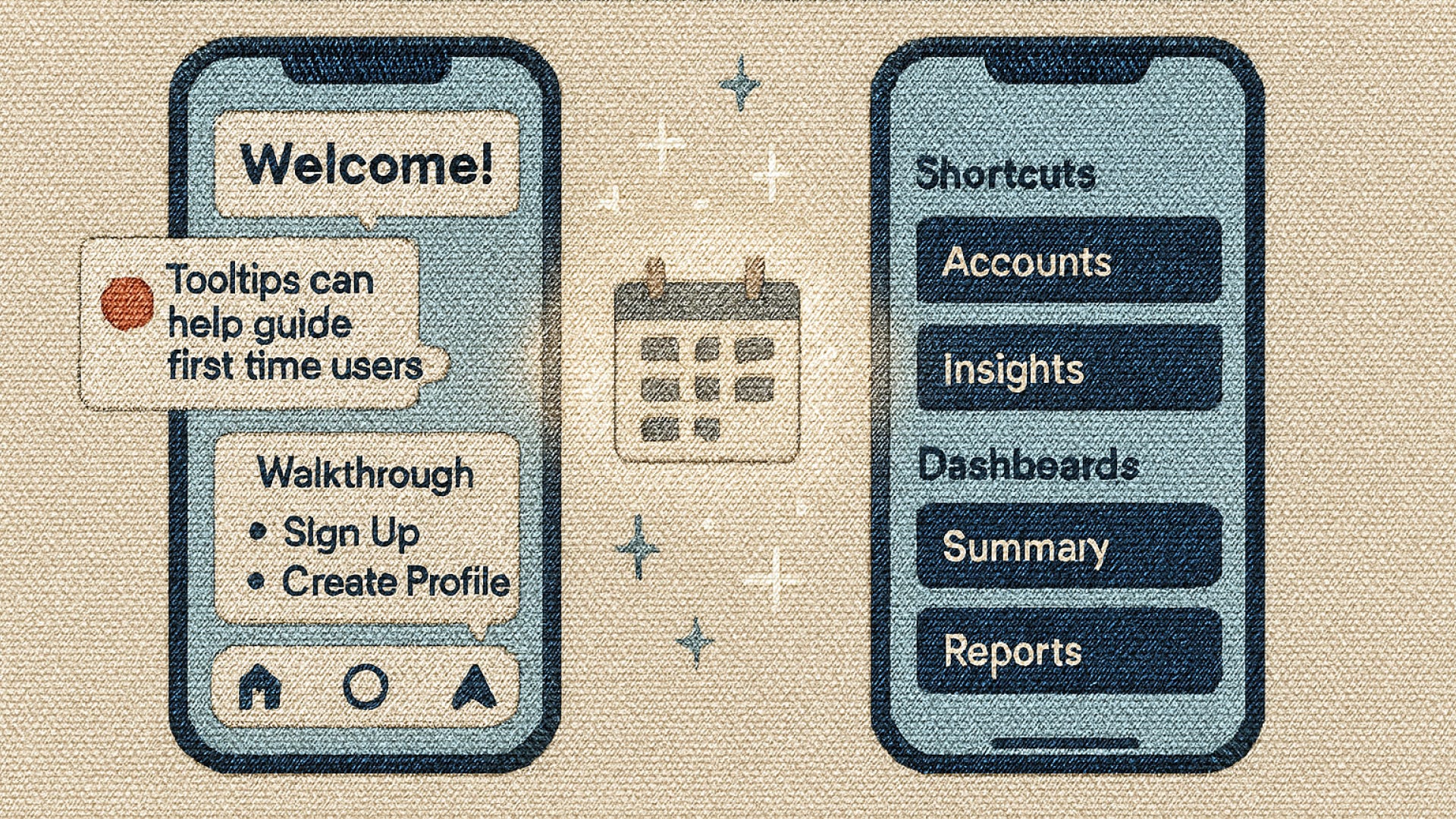
Temporal Design is the practice of creating user experiences that evolve as users interact with them. It’s not just personalization; it’s designing interfaces that learn, adapt, and reshape themselves based on use patterns, frequency, and context.
Think about it like a trusted guide: at first, it gives you more directions. As you grow familiar, it steps back, letting you move freely.
Why Temporal Design Matters
Static interfaces assume users are the same on Day 1 and Day 100. But in reality:
A new user needs onboarding, tutorials, and guardrails.
A regular user wants shortcuts, efficiency, and less hand-holding.
An expert user wants flexibility and control.
Temporal Design recognizes this journey and evolves accordingly. It reduces friction, prevents boredom, and makes products feel alive rather than frozen in time.
Case Study 1: Duolingo – Gamified Language Learning That Evolves
Duolingo, the language learning app, has mastered Temporal Design. For beginners, it starts simple, with bright animations, frequent rewards, and hand-holding lessons. But as learners progress, the app introduces more complex grammar challenges, adaptive difficulty, and long-term streak tracking.
Duolingo uses spaced repetition and temporal nudges (like push notifications at optimal learning times) to ensure progress builds sustainably. This long-term adaptation is why Duolingo has over 74 million monthly active users.
Lesson: UX that grows with users sustains engagement.
Case Study 2: Netflix – Personalization That Learns Over Time
Netflix doesn’t just show you movies randomly, it evolves recommendations as you watch. If you binge romantic comedies, your homepage shifts toward similar genres. If you stop midway through action films, those suggestions taper off.
But it’s not only about “what” is recommended, it’s also about when. Netflix nudges users with temporal personalization, like suggesting shorter episodes during weekdays and longer movies on weekends when people have more time.
This continuous adaptation is why 80% of viewing activity on Netflix comes from personalized recommendations.
Lesson: Adapting content to evolving behavior deepens loyalty.
Case Study 3: Google Maps – From Directions to Daily Companion
Google Maps is another example of Temporal Design at work. The first time you use it, it’s all about step-by-step navigation. But as you continue, it learns your commute patterns. Over time, it proactively alerts you about traffic before you even ask, recommends restaurants you might like, or suggests public transport at your usual travel times.
Google Maps has transitioned from a utility tool to a temporal companion, evolving with user needs across different life stages. This has cemented its place as the most widely used navigation app, with over 1 billion monthly active users.
Lesson: Products that anticipate future needs grow from tools into companions.
Case Study 4: Spotify – Music That Changes With You
Spotify’s famous Discover Weekly playlist is an example of temporal UX brilliance. Every Monday, the playlist refreshes based on evolving listening history. It’s not static personalization; it’s temporal personalization that acknowledges people’s tastes shift over time.
Spotify also adapts seasonal and contextual playlists like upbeat summer vibes or calm evening focus music. This evolving design is why Spotify has over 600 million users worldwide.
Lesson: When a product evolves with your moods, times, and seasons, it earns loyalty.
Principles of Temporal Design
So how can we apply this in UX? Here are guiding principles:
Stage-Based Experiences: Adapt the interface depending on user expertise (beginner → intermediate → expert).
Contextual Adaptation: Consider time of day, location, or device usage to tailor interactions.
Spaced Nudging: Instead of bombarding users with prompts, design nudges at meaningful intervals.
Data-Informed Evolution: Use behavioral data not just for personalization, but for growth-focused adaptation.
Respect for Change: Allow users to reset preferences, recognizing that people’s needs evolve.
My Childhood Lesson Applied
Like our elders adjusting stories depending on the evening’s mood, Temporal Design is about rhythm and timing. Too much too soon, and you lose the listener. Too slow, and boredom creeps in. But just enough, at the right time, and the experience becomes unforgettable.
Temporal UX is, in essence, digital storytelling that adapts to life’s seasons.
Moving Forward
As technology grows smarter, static design will feel increasingly outdated. Users expect products that learn, adapt, and evolve. The future of UX lies in building systems that grow alongside their users, not just serving them but walking with them.
The question is, will your product feel like a one-time story told once or an evolving tale that adapts every time it’s heard?
As designers and builders, let’s push beyond static screens. Let’s design for time, not just space. Because experiences that adapt over time don’t just keep users, they build relationships.
What’s one product in your life that grew with you over time? Share it, I would love to hear.
References
How Duolingo Gamified Language Learning to Revolutionize Online Education
Celebrating 20 Years of Google Maps: A Look Back at Its Evolution
#BlessingSeries #UXDesign #TemporalDesign #CustomerExperience #ProductDesign #DesignThinking #UserEngagement